
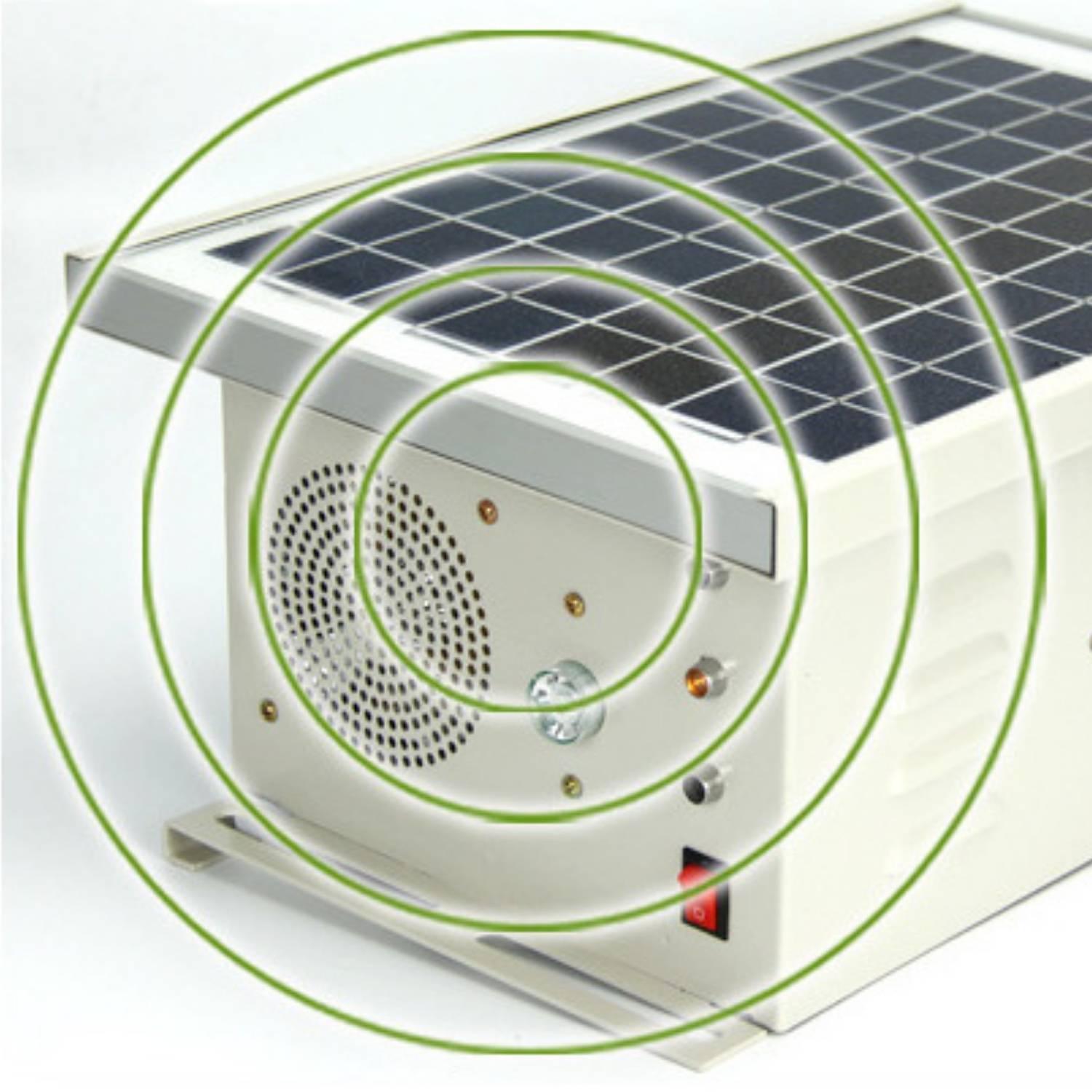

The complete guide
Sonic Bird Repellent: choosing and using your product
TOP CUSTOMER REVIEW
After years of trying nets, spikes and scarecrows, this is the only device that actually kept the pigeons off our warehouse roof for good.
Bjorn
Sonic Bird Repellent | Pigeon Repellent Sound | Pigeon Deterrent Sound
Solar Powered Sonic Bird Repeller: Ultrasonic, Audio & Light Defence in a Single Unit
Combining 30+ predator sounds at 130-180 decibels, variable ultrasonic frequencies from 8-30 kHz and high brightness red/blue LED flashing, all powered by solar energy with over 90% energy efficiency
FREE DELIVERY ALL ACROSS SINGAPORE FOR ALL ORDERS OF $50+ or more (Save $19)
Powered by an integrated solar panel and rechargeable battery, the 3 in 1 repeller delivers reliable, hands free bird protection for airports, power substations, farmland, orchards, fish ponds, grain storage facilities & any other area where bird activity causes costly problems.
Automated Working cycle:
Ultrasonic 3 minutes → Audio 3 minutes → Rest 7 minutes
How the Automated Operating Cycle Works
When powered on, the device follows an intelligent, fully automated cycle that combines all three deterrent methods for maximum impact:
Startup: The unit emits a 6 kHz low-frequency tone for 3 seconds, followed by a 3-second pause before entering full operation.
Ultrasonic Phase (3 minutes): The device performs a frequency sweep from 16 kHz to 30 kHz during the first minute, then randomly selects and cycles through frequencies for the remaining two minutes.
Audio Phase (3 minutes): Once the ultrasonic phase completes, the high-power audio system activates automatically, broadcasting a rotation of built-in deterrent sounds at full volume.
Rest Phase (7 minutes): After the audio phase, the device pauses for 7 minutes to conserve energy before restarting the ultrasonic cycle.
This continuous loop of ultrasonic, audio and rest phases repeats automatically throughout the day, delivering persistent, energy-efficient bird deterrence with zero manual intervention.
SPECIFICATIONS
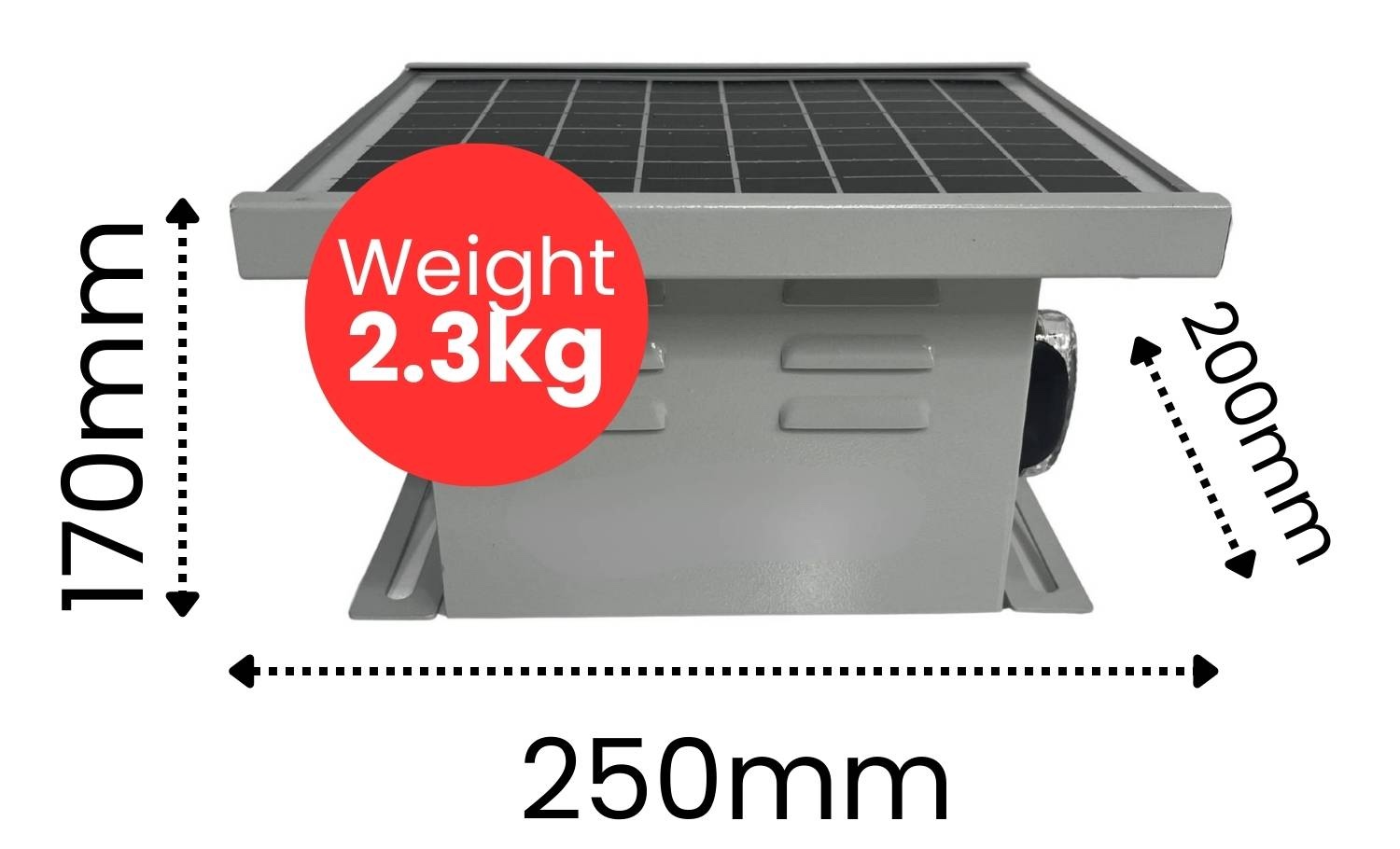
- Battery Voltage: DC 12V, 5Ah
- Ultrasonic Frequency: 16 kHz – 30 kHz
- Ultrasonic Sound Pressure: 120 dB
- Ultrasonic Emitters: 4 units
- High Power Audio Speakers: 2 units, 20W
- Sound Level: 120 dB
- Audio Type: High-fidelity digital sound
- Flashing Lights: x2 High brightness LED fish eye lamps
- LED Colors: 4 red, 4 blue
DUE TO CURRENT DEMAND ALLOW UP TO 7 WORKING DAYS FOR DELIVERY AFTER DISPATCH WITHIN 2 WORKING DAYS
Direct To Your Door – All Across Singapore
The voice IC chip is precision-matched to the speaker unit, maximising output potential and sound pressure with a sound efficiency ratio exceeding 98%.
Equipped with a high-power horn delivering 130–180 decibels, this device features over 30 pre-loaded predator and deterrent sounds — including eagle calls, raptor cries, beast vocalisations, gongs, drums and firecrackers — creating a powerful, varied audio deterrent that keeps birds away effectively.
Emits ultrasonic waves across a frequency range of 8 kHz–30 kHz, targeting the central nervous system of birds and disrupting their ability to settle comfortably in the protected area.
This physical bird deterrent method uses imported components to deliver continuously shifting ultrasonic pulse frequencies. The constantly varying signal unsettles birds and discourages them from remaining within the coverage zone, providing an effective, non-chemical solution for keeping birds away from your property.
During operation, alternating red and blue light beams flash continuously, targeting the visual system of birds to create an effective optical deterrent.
Birds are naturally unsettled by red and blue light. This device uses high-brightness LED beads as the light source, projecting focused red and blue beams through a 45° lens. The controlled alternating flash pattern creates dynamic lighting that disturbs birds’ vision, driving them away from the protected area — day and night. A built-in photoresistor detects changes between daylight and darkness, enabling the device to switch on and off automatically without manual intervention.
The light-sensitive resistor adjusts its resistance value in response to ambient light levels. During daylight hours, the device operates at full capacity for maximum bird deterrent effectiveness. At night, it automatically enters standby mode — preventing unnecessary noise disturbance while conserving battery power. This intelligent operation achieves over 90% energy efficiency, extending battery life while ensuring reliable daytime protection.
Intelligent Solar-Powered Three-in-One Bird Repeller
The Intelligent Fully Automatic Bird Repeller is a next-generation bird control device engineered to protect properties and prevent bird-related damage across a wide range of environments. Combining three proven deterrent technologies into a single compact unit, this solar-powered device operates entirely off-grid, making it ideal for outdoor locations and remote sites where mains power is unavailable.
Powered by an integrated solar panel and rechargeable battery, the three-in-one repeller delivers reliable, hands-free bird protection for airports, power substations, farmland, orchards, fish ponds, grain storage facilities and any other area where bird activity causes costly problems.
Why Bird Control Matters
Bird damage is a year-round concern that affects infrastructure, agriculture and industry. Birds frequently build nests on iron towers, power lines and electrical equipment using branches, vines and even metal wire. When nesting materials fall onto insulators, they can cause short circuits and line tripping. Accumulated bird droppings contaminate insulators, reducing insulation strength and leading to electrical faults. In substations, birds entering transformer gaps or AC filter housings can trigger phase-to-phase faults that result in costly outages.
In agricultural settings, unchecked bird populations cause significant losses to farms, fish ponds, orchards and grain storage areas, damaging crops and reducing yields throughout the growing season.
Three Deterrent Technologies in One Device
1. Ultrasonic Deterrent
The device generates a continuously shifting ultrasonic frequency using high-quality imported components. These variable ultrasonic waves target the nervous systems of birds, creating persistent discomfort that forces them to vacate the protected area. The constantly changing frequency prevents birds from adapting to the signal, ensuring long-term effectiveness.
2. High-Power Audio Deterrent
Using advanced digital audio technology, the device broadcasts high-fidelity, high-power sounds that birds instinctively fear, including predator calls, distress signals and startling noises. Built-in storage holds a diverse library of deterrent sounds, and the unit automatically switches between them to maintain unpredictability and maximise the repelling effect.
3. Red and Blue Light Deterrent
Birds are naturally most sensitive to red and blue wavelengths. This device uses imported high-brightness LED lamps to project alternating red and blue flashes through precision electronic control. The dynamic flashing pattern creates a visual disturbance that stimulates birds’ eyes and reinforces the audio and ultrasonic deterrent signals.
Sonic Bird Repellent: The Complete Guide to Pigeon Repellent Sound and Pigeon Deterrent Sound Technology
Dealing with pigeons and pest birds can feel like a never-ending battle. They roost on rooftops, leave droppings on walkways, damage crops and create unsightly messes that cost time and money to clean up. Traditional methods like nets, spikes and chemical deterrents each come with their own set of limitations. That is where sonic bird repellent technology steps in as a modern, humane and highly effective solution.
A pigeon repellent sound system uses carefully engineered audio frequencies and predator calls to drive birds away from protected areas without causing them physical harm. Whether you are protecting a warehouse, farm, balcony or commercial building, pigeon deterrent sound devices offer a hands-free approach to bird control that works around the clock with minimal maintenance.
In this comprehensive guide, we explore everything you need to know about sonic bird repellent systems, how pigeon repellent sound works, the science behind ultrasonic and audible deterrent frequencies, and how to choose the right pigeon deterrent sound device for your specific situation.
What Is a Sonic Bird Repellent?
A sonic bird repellent is an electronic device designed to deter birds from a designated area using sound. Unlike physical barriers or chemical treatments, these devices rely on audio output to make an environment uncomfortable or threatening for birds, encouraging them to relocate without being harmed.
Sonic bird repellent systems typically combine multiple sound technologies into a single unit. These may include recorded predator calls, distress signals from prey species, ultrasonic frequencies and loud audible deterrent sounds such as simulated gongs, drums and firecrackers. The combination of sound types ensures that birds do not become accustomed to any single pattern, maintaining the device’s effectiveness over time.
These systems are popular across a wide range of settings. Farmers use them to protect crops from flocks of starlings and pigeons. Property managers deploy them on rooftops and ledges where pigeons tend to congregate. Airports use industrial-grade versions to keep runways clear of birds that could endanger aircraft. The versatility and non-invasive nature of sonic repellents make them suitable for virtually any environment where bird activity is a problem.
How Pigeon Repellent Sound Technology Works
Pigeon repellent sound technology operates on a straightforward principle: birds rely heavily on their auditory senses to detect threats and communicate with each other. By introducing sounds that signal danger, a pigeon repellent sound device triggers an instinctive flight response in the birds, causing them to avoid the area.
Predator Call Simulation
One of the most effective elements of any pigeon repellent sound system is the use of recorded predator calls. Birds instinctively recognise and respond to the calls of natural predators such as eagles, hawks, falcons and owls. When these sounds are broadcast across a property, pigeons and other pest birds perceive a genuine threat and choose to stay away.
Advanced pigeon repellent sound devices store libraries of over 30 different predator and deterrent sounds. These include raptor calls, the vocalisations of various predatory birds and mammals, and sudden loud sounds designed to startle. The device cycles through these sounds randomly or on a timed schedule, preventing birds from recognising a repeating pattern and becoming desensitised.
Distress Call Broadcasting
In addition to predator calls, many sonic bird repellent units broadcast distress calls specific to the species being targeted. When a pigeon hears the distress call of another pigeon, it interprets this as a warning that danger is present nearby. This triggers a strong avoidance response, making the bird reluctant to enter or remain in the area.
Distress calls are particularly effective because they are species-specific. A device programmed to target pigeons can broadcast pigeon distress signals, while one set up for a farm might include calls for crows, starlings and sparrows. This targeted approach ensures maximum effectiveness for the specific bird problem you are dealing with.
Audible Deterrent Sounds
Beyond biological calls, pigeon deterrent sound systems also employ loud, jarring noises to frighten birds. These include sounds modelled after gongs, drums, firecrackers and other sudden sharp noises. The volume output of high-power horns in these devices can range from 130 to 180 decibels, creating a powerful acoustic barrier that birds find intolerable.
The voice IC chip within the device is scientifically matched to the speaker unit to maximise output efficiency. This precision engineering achieves a sound effect ratio of over 98%, meaning almost all of the electrical energy is converted into powerful, clear audio output. The result is a sound that carries over a wide area with consistent intensity, ensuring full coverage of the protected zone.
Understanding Ultrasonic Pigeon Deterrent Sound
While audible sonic repellents work by broadcasting sounds that both humans and birds can hear, ultrasonic pigeon deterrent sound technology takes a different approach. Ultrasonic devices emit sound waves at frequencies above the range of normal human hearing, typically between 8 kHz and 30 kHz. These high-frequency waves are uncomfortable for birds but largely inaudible to people, making them ideal for use in residential and commercial areas where noise might otherwise be a concern.
How Ultrasonic Frequencies Affect Birds
Ultrasonic waves at these frequencies stimulate the central nervous system of birds, creating a sensation of discomfort and unease. The sound waves disrupt the birds’ ability to settle comfortably in the covered area, interfering with their normal behavioural patterns and making the environment feel hostile.
The key to ultrasonic effectiveness lies in the constantly changing frequency output. Rather than emitting a single tone, quality ultrasonic pigeon deterrent sound devices cycle through a range of frequencies within the 8 kHz to 30 kHz spectrum. This variable frequency approach prevents birds from adapting to the sound, which is a common problem with static-frequency devices. The shifting frequencies keep the stimulus unpredictable, maintaining its deterrent effect over extended periods.
Variable Frequency Technology Explained
Variable frequency technology is what separates a truly effective ultrasonic bird repellent from a basic device that birds quickly learn to ignore. By continuously modulating the frequency output, the device ensures that the ultrasonic signal never becomes a predictable part of the birds’ environment.
Think of it this way: if you heard the same alarm clock sound every morning, you might eventually learn to sleep through it. But if the alarm changed its tone, volume and rhythm every single time, it would remain startling and effective. Variable frequency pigeon deterrent sound technology works on the same principle. The constantly evolving ultrasonic pulse pattern keeps birds on edge, discouraging them from nesting, roosting or feeding in the protected area.
This approach provides a physical, non-chemical method of bird control that causes no lasting harm to the birds. They simply find the area unpleasant and choose to go elsewhere, making ultrasonic technology one of the most humane bird deterrent methods available.
Visual Deterrent Integration: Red and Blue Flashing Light
Many modern sonic bird repellent devices go beyond sound alone and incorporate visual deterrent features for a multi-sensory approach to bird control. One of the most effective visual deterrents is the use of alternating red and blue flashing lights.
Why Red and Blue Light Deters Birds
Research into avian behaviour has shown that birds are particularly sensitive to red and blue wavelengths of light. These colours are associated with warning signals in the natural world, and when presented as sudden, alternating flashes, they create a visual disturbance that birds find alarming.
Devices that incorporate this feature use high-brightness LED beads as the light source. The LEDs project focused beams through a 45-degree lens, creating intense, concentrated flashes of red and blue light. The controlled alternating pattern produces a dynamic, strobe-like effect that disturbs birds’ vision and reinforces the deterrent effect of the sound system.
Combining Sound and Light for Maximum Effectiveness
The combination of pigeon repellent sound with visual deterrents creates a layered defence that is far more effective than either method used alone. When a bird encounters both threatening sounds and alarming visual signals simultaneously, its instinct to flee is significantly stronger.
This multi-sensory approach also helps prevent habituation. Even if a bird begins to grow slightly accustomed to the sound component, the visual deterrent continues to reinforce the message that the area is unsafe. The dual-mode operation ensures consistent performance over weeks, months and even years of continuous use.
Intelligent Operation: Photosensitive Control and Smart Switching
One of the standout features of modern pigeon deterrent sound devices is their ability to operate intelligently without constant human oversight. This is achieved through a built-in photosensitive control system that automatically manages the device’s operation based on ambient light levels.
How Photosensitive Control Works
The device includes a photoresistor, a component that changes its electrical resistance in response to the amount of light falling on it. During daylight hours, when bird activity is at its peak, the photoresistor detects high light levels and keeps the device fully operational. As darkness falls and light levels drop, the resistance value changes, signalling the device to enter standby mode.
This automatic day-night switching eliminates the need for manual operation. You do not have to remember to turn the device on each morning or off each evening. The smart system handles everything on its own, ensuring that deterrent sounds are broadcast during the hours when they are needed most and silenced at night when birds are naturally inactive.
Energy Efficiency and Battery Conservation
Beyond the convenience factor, photosensitive control delivers significant energy savings. By automatically shutting down during nighttime hours, the device avoids wasting battery power on periods when bird deterrence is unnecessary. This intelligent management achieves an energy efficiency utilisation rate of over 90%, dramatically extending the operational life of the battery between charges or replacements.
The energy savings are especially important for solar-powered units, which rely on daytime charging to replenish their batteries. By conserving power during the night, these devices can maintain reliable operation even during overcast periods when solar charging is reduced.
Benefits of Automatic Operation
The photosensitive control system also addresses a common concern about sonic bird repellent devices: nighttime noise disturbance. Because the device automatically stops emitting sounds after dark, neighbours and residents are not disturbed by deterrent noises during sleeping hours. This makes smart-switch devices suitable for use in residential areas, near hotels, hospitals and other noise-sensitive locations.
Key Features to Look for in a Sonic Bird Repellent Device
Not all pigeon repellent sound devices are created equal. When selecting a unit, there are several important features and specifications to consider to ensure you get the best results for your particular situation.
Sound Pressure and Volume Output
The effectiveness of any pigeon deterrent sound device is directly related to its ability to project sound over a sufficient area. Look for devices with high-power horn speakers capable of delivering 130 to 180 decibels of output. This level of volume ensures that the deterrent sounds reach birds across a wide area rather than just in the immediate vicinity of the device.
Equally important is the sound efficiency ratio. Devices with a scientifically matched voice IC chip and speaker combination can achieve efficiency ratios exceeding 98%, meaning the audio output is loud, clear and undistorted. Poor speaker matching leads to wasted energy and reduced coverage.
Sound Library Diversity
A larger library of deterrent sounds translates to greater long-term effectiveness. Birds are intelligent creatures and can learn to recognise and eventually ignore repetitive patterns. Devices loaded with over 30 different predator calls, distress signals and startling sounds provide enough variety to keep birds from becoming habituated.
The best devices randomise their sound output, playing different combinations at varying intervals. Some even allow users to programme custom schedules or select specific sound profiles suited to the bird species causing problems in their area.
Ultrasonic Frequency Range
For situations where audible noise is a concern, the ultrasonic frequency range of the device is a critical specification. A range of 8 kHz to 30 kHz covers the frequencies most effective at disturbing birds while remaining largely inaudible to humans. Variable frequency output within this range is essential for preventing habituation.
Weather Resistance and Durability
Sonic bird repellent devices are typically installed outdoors and must withstand rain, wind, sun exposure and temperature extremes. Look for units with weatherproof housings rated for outdoor use. Quality devices feature UV-resistant casings, sealed speaker enclosures and corrosion-resistant mounting hardware to ensure years of reliable operation.
Power Options
Consider how the device is powered and whether that suits your installation location. Common options include mains electricity, rechargeable batteries and solar panels. Solar-powered units with built-in photosensitive control offer the most convenient and cost-effective long-term solution, as they charge during the day and operate automatically without any ongoing electricity costs.
Where to Use Pigeon Deterrent Sound Devices
The versatility of sonic bird repellent technology means these devices can be deployed in a huge range of environments. Understanding where they work best helps you maximise their effectiveness.
Agricultural Settings
Farms and orchards are among the most common locations for pigeon deterrent sound systems. Flocks of pigeons, starlings, crows and other birds can devastate crops, eating seeds, pecking at fruit and damaging young plants. A well-placed sonic repellent system protects fields and orchards without the need for nets, scarecrows or chemical treatments that may harm the environment.
For agricultural use, devices with the highest volume output and widest coverage area are ideal. Multiple units can be positioned around the perimeter of large fields to create an overlapping zone of deterrence that leaves no gaps for birds to exploit.
Commercial and Industrial Buildings
Pigeons are notorious for roosting on commercial buildings, warehouses and factories. Their droppings are corrosive and can damage building materials, vehicles and equipment. The mess creates health hazards and gives businesses an unprofessional appearance. Pigeon repellent sound devices installed on rooftops, ledges and loading docks keep these areas bird-free with minimal maintenance.
Residential Properties
Homeowners dealing with pigeons on balconies, patios, roof spaces and garden areas can benefit from compact sonic bird repellent units. Devices with ultrasonic output are particularly suitable for residential use, as they deter birds without creating audible noise that might disturb the household or neighbours. Combined with the automatic photosensitive shutoff feature, residential units operate discreetly and efficiently.
Public Spaces and Infrastructure
Parks, bridges, monuments, train stations and other public spaces often suffer from excessive bird activity. Large-scale pigeon deterrent sound installations can be used to manage bird populations in these areas, reducing maintenance costs and improving hygiene standards for the public.
Installation Tips for Optimal Performance
Even the best sonic bird repellent device will underperform if it is not installed correctly. Proper placement and setup are essential for achieving the best results.
Positioning and Height
Mount the device at a height that allows sound to travel unobstructed across the area you want to protect. Ideally, the speaker should be positioned at or slightly above the level where birds typically roost or land. Avoid placing the unit behind walls, inside enclosures or in locations where the sound will be blocked or absorbed by surrounding structures.
Coverage Angle and Direction
Most pigeon deterrent sound devices project their output in a directional pattern rather than a full 360-degree circle. Aim the speaker towards the area with the highest bird activity. For large areas, consider using multiple devices angled in different directions to create comprehensive coverage.
Using Multiple Devices Together
When protecting large or complex spaces, using several sonic bird repellent units in a coordinated system provides the best results. Position devices so their coverage zones overlap slightly, ensuring there are no unprotected gaps. Many modern devices can be synchronised so they do not broadcast conflicting signals, maintaining a coherent deterrent pattern across the entire area.
Regular Maintenance
Although sonic bird repellent devices require minimal upkeep compared to physical deterrents, a basic maintenance routine will keep them performing at their best. Periodically check that speakers are clear of debris, that solar panels are clean and unobstructed, and that weatherproof seals remain intact. Replace batteries as needed and verify that the photosensitive switch is responding correctly to changes in daylight.
Advantages of Sonic Bird Repellent Over Traditional Methods
When compared to older bird control methods, pigeon repellent sound devices offer a compelling list of advantages that make them the preferred choice for modern pest management.
Humane and Non-Lethal
Sonic and ultrasonic repellents deter birds without causing physical injury. The birds simply find the environment uncomfortable and choose to leave. This humane approach aligns with growing public expectations for ethical wildlife management and avoids the legal complications that can arise from harming protected bird species.
Low Maintenance
Unlike bird netting that tears and sags, spikes that accumulate debris and chemical treatments that wash away in rain, a pigeon deterrent sound device requires almost no maintenance once installed. Solar-powered units with photosensitive control are essentially set-and-forget solutions that operate independently for months or years.
Wide Coverage Area
A single high-powered sonic bird repellent unit can protect a much larger area than an equivalent investment in physical barriers. Where bird netting must be draped over every surface and spikes must be fitted to every ledge, one sound device can blanket an entire rooftop, field or courtyard with deterrent audio.
Adaptable and Versatile
Sound-based deterrents can be easily repositioned, reprogrammed and adjusted as bird activity patterns change. If pigeons begin roosting in a new location, you can simply move the device or adjust its direction. Physical barriers, by contrast, are fixed in place and costly to relocate.
Discreet Operation
Modern pigeon repellent sound devices are compact and unobtrusive. Ultrasonic models are virtually silent to human ears, and even audible units can be scheduled to operate only during specific hours. They do not alter the appearance of buildings or landscapes the way netting, spikes and wire systems do.
Common Questions About Pigeon Deterrent Sound Devices
Getting the Best Results From Your Pigeon Repellent Sound System
To maximise the effectiveness of your sonic bird repellent, consider combining it with other compatible deterrent methods. While the sound device handles the primary deterrent role, adding visual elements such as reflective tape, predator decoys or the built-in red and blue flashing lights creates a more comprehensive deterrent environment.
Start using the device as early as possible. It is far easier to prevent birds from establishing a roosting site than to evict them once they are settled. If you are dealing with an existing infestation, be patient. It may take several days for the birds to fully vacate the area as they search for alternative locations.
Keep the sound library fresh by updating or rotating sound profiles if your device allows it. Even the most extensive sound library benefits from occasional variation to ensure birds never fully acclimatise to the output pattern.
The Future of Sonic Bird Repellent Technology
Bird deterrent technology continues to evolve rapidly. Newer pigeon repellent sound systems are incorporating artificial intelligence that analyses bird behaviour in real time and adjusts output patterns accordingly. Solar efficiency improvements are extending the operational range of battery-powered units, while advances in speaker design are producing louder, clearer output from smaller, more compact devices.
The integration of IoT connectivity allows some devices to be monitored and controlled remotely via smartphone apps, providing real-time status updates and the ability to adjust settings from anywhere. As these technologies mature, sonic bird repellent systems will become even more effective, efficient and user-friendly.
Whether you are protecting a small balcony or an expansive agricultural operation, pigeon deterrent sound technology offers a proven, humane and low-maintenance solution to bird problems. By understanding how these devices work and selecting a unit with the right combination of features for your needs, you can enjoy a bird-free environment without the hassle and expense of traditional deterrent methods.